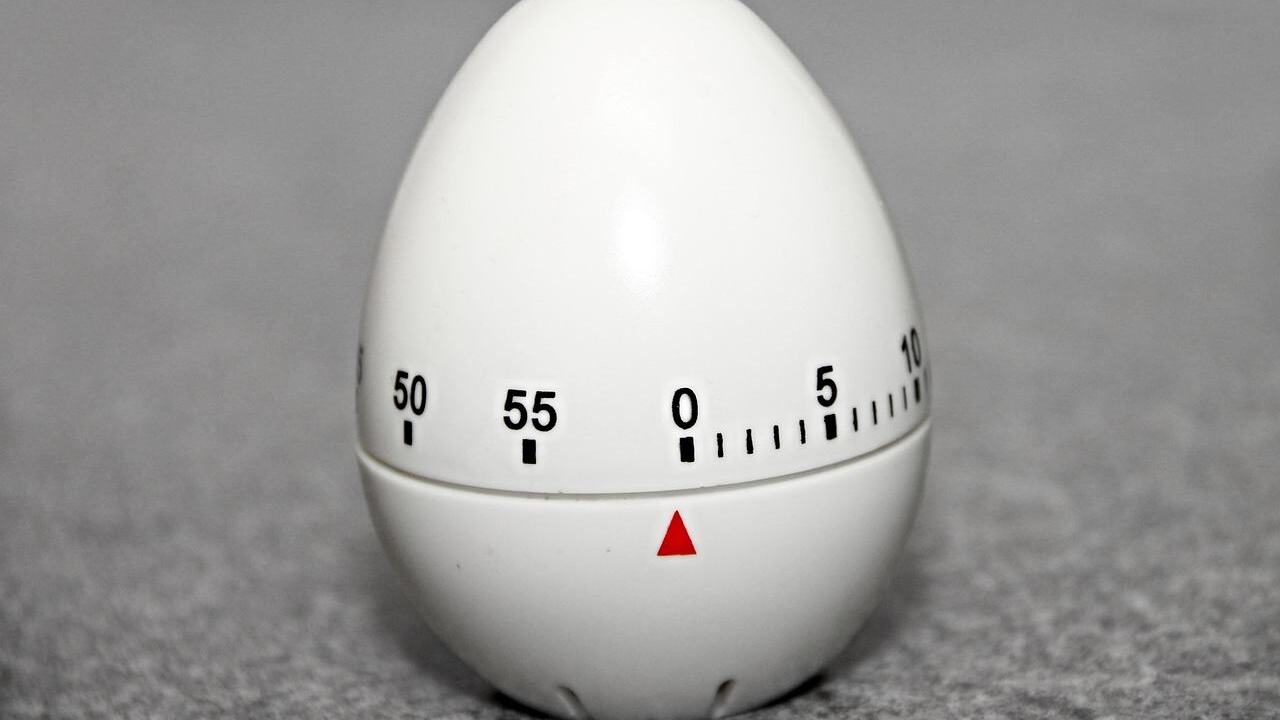
The pomodoro technique is a time management method created by Francesco Cirillo in which you work on one activity at a time in short timed intervals, traditionally 25 minutes, separated by breaks.
It is one of the methods compared in the guide to productivity systems, and it pairs well with a task-capture habit such as the getting things done method.
Where the technique comes from
According to the official technique site, its creator challenged himself to focus for a short period using a tomato-shaped kitchen timer, and that small experiment grew into a complete method for dealing with time. The Italian word for tomato, pomodoro, gave the method its name.
The same site is clear that it is more than a stopwatch. It describes a complete system for dealing with time, where, with a timer, pencil and paper, you learn to plan your work, estimate effort, handle interruptions, take restorative breaks, record what happens and improve the way you work.
How a pomodoro works
Cirillo’s own summary of the popular version is to work for 25 minutes, take a break, and repeat. He adds that the timer is only the starting point. A single interval of focused work is the pomodoro, and the unit you plan with is the interval, not the clock hour.
A basic cycle looks like this:
- Choose one activity from your list for the day.
- Set the timer and work on that activity alone until it rings.
- Stop, even if you are mid-sentence, and take a real break away from the task.
- Mark the completed interval, then start the next one.
The one-activity rule is the core of the method. The official site lists focus as one of its three themes: working on one activity at a time, handling interruptions and using regular breaks to protect your focus, as laid out on the technique’s home page.
Planning, tracking and reflecting
The technique is built on three habits that go beyond the timer. Planning means choosing the day’s work and estimating effort realistically. Focus is the interval itself. Reflection means recording effort, comparing estimates with what actually happened and making small improvements. The official site frames these as plan, focus and reflect.
The tools are deliberately plain. A paper activity inventory lists everything you might do, and a daily sheet holds what you chose for today.

Handling interruptions
Interruptions are treated as a skill to practice, not a failure. Cirillo describes the full technique as including how to manage interruptions, estimate effort, organize daily and weekly activities, and observe your work. In practice, a common approach is to note the interruption on paper, decide whether it can wait until the break, and return to the task. Anything that truly cannot wait means the interval is set aside and begun again later.
Because the day is planned in intervals, interruptions also become visible. A tally of how often a day was broken up is useful evidence when you want to protect longer stretches, a goal explored further in the article on deep work.
Why short breaks may help
The specific length of the interval is a convention rather than a law of nature, but there is research on why brief breaks can help sustained attention. A study in the journal Cognition by Ariga and Lleras proposed that attention to a task fades over long periods because the brain stops keeping the task goal active. Its abstract reports that when observers sporadically switched tasks during a vigilance task, the vigilance decrement was averted.
That experiment used a laboratory vigilance task, not office work, so it supports the general idea of periodic breaks rather than any exact schedule. It does explain why stopping on purpose, instead of pushing through, is part of the method.
Strengths and limits
The technique suits tasks that can be done in short bursts, such as drafting, studying, processing messages or clearing small chores. It works less smoothly for work that is naturally collaborative or reactive, such as live support or meetings, where the timer cannot be obeyed without letting someone down.
It also helps to treat the interval as adjustable. Cirillo stresses that the goal is understanding how you work, not forcing yourself to do more. The official site puts it as be gentle with yourself, with the aim of making realistic choices and gradually developing a healthier relationship with time.
Another common difficulty is treating the timer as a score to beat. A day with fewer completed intervals is not a failed day if the time went to meetings, urgent requests or genuinely important conversations. The record is there to inform planning, and it works best when it is read without judgment.
- Good fit: writing, studying, coding, routine admin and any task you tend to avoid starting.
- Poorer fit: work driven by incoming requests, or creative flow that you would rather not interrupt.
- Common fix: shorten or lengthen the interval, or group small tasks into one interval.
Trying it for a week
A low-risk way to evaluate the technique is a short trial. At the start of each day, write the handful of activities that matter most. Work through them one interval at a time, and at the end of the day count how many intervals each activity took. Compare that count with what you expected. The comparison is the useful part, because it turns a vague sense of being busy into concrete numbers about your own work.
After a week, the record usually answers practical questions. Which tasks are consistently underestimated? How often does the day get broken up before the first break? Are there hours when focused work simply goes better? Those answers shape the plan for the following week, and they matter more than whether any single interval went perfectly.
Using it with other methods
The technique does not decide what to work on. It structures how the chosen work is done. That is why it combines easily with a capture system, which supplies the list of activities, and with a prioritizing step that picks the day’s few activities from that list. Teams can also use it individually while still keeping shared calendars, since the intervals are personal and rarely clash with scheduled meetings when the day is planned in advance.
Frequently asked questions
Does a pomodoro have to be 25 minutes?
Show answer
The popular version uses 25 minutes, but the point of the method is to learn how you work. Many people experiment with the length once they have a record of how their intervals actually go.
What do you do during the break?
Show answer
Step away from the task. Standing, stretching, getting water or looking away from the screen are typical choices, and checking work messages usually defeats the purpose.
What if an interval is interrupted?
Show answer
Note the interruption, decide whether it can wait, and return to the task if it can. If you have to deal with it right away, the interval is set aside and started again afterward.
Is a timer required?
Show answer
The method starts with a timer, but the official description stresses that it is a complete way to work with time, which also covers planning, estimating and recording what happened.